
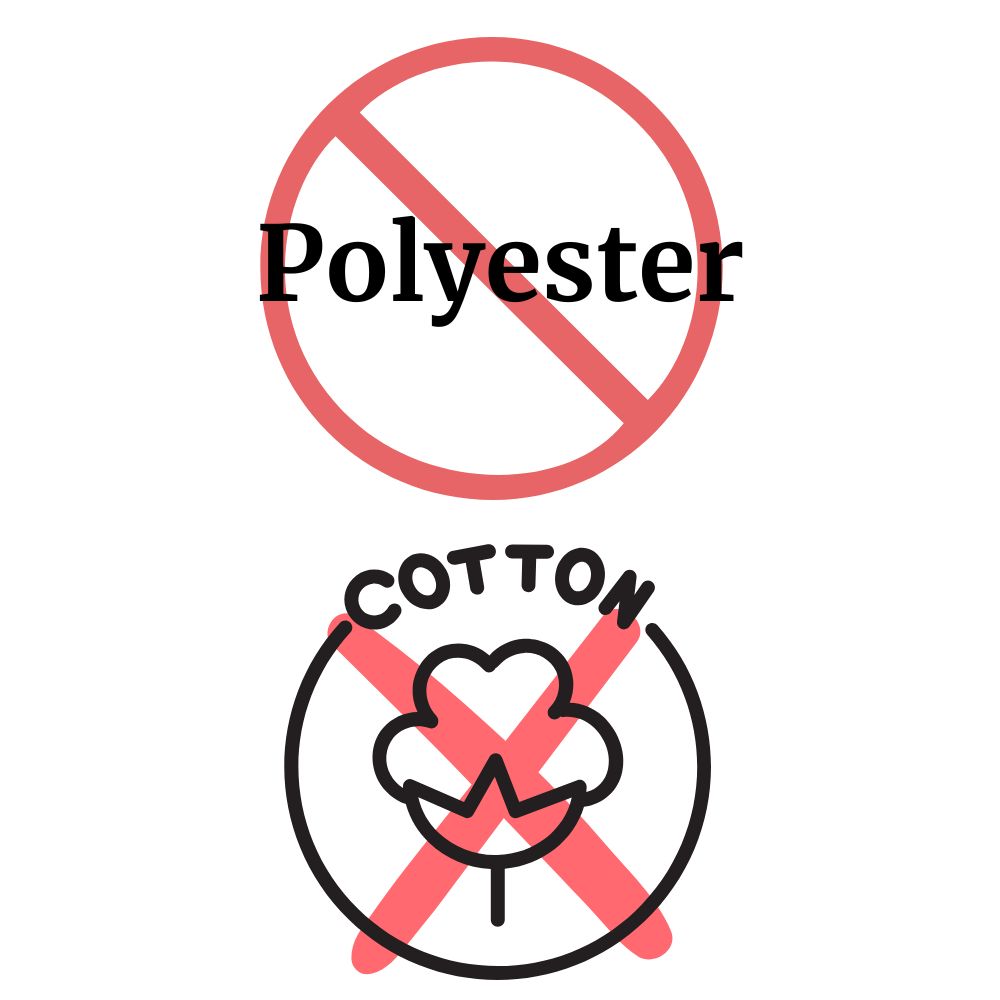
Fun fact: the 2 most common fabrics used for sleepwear and bed linens are also the worst for people with chronic night sweats.
The most common fabrics?
1. Polyester
2. 100% Cotton
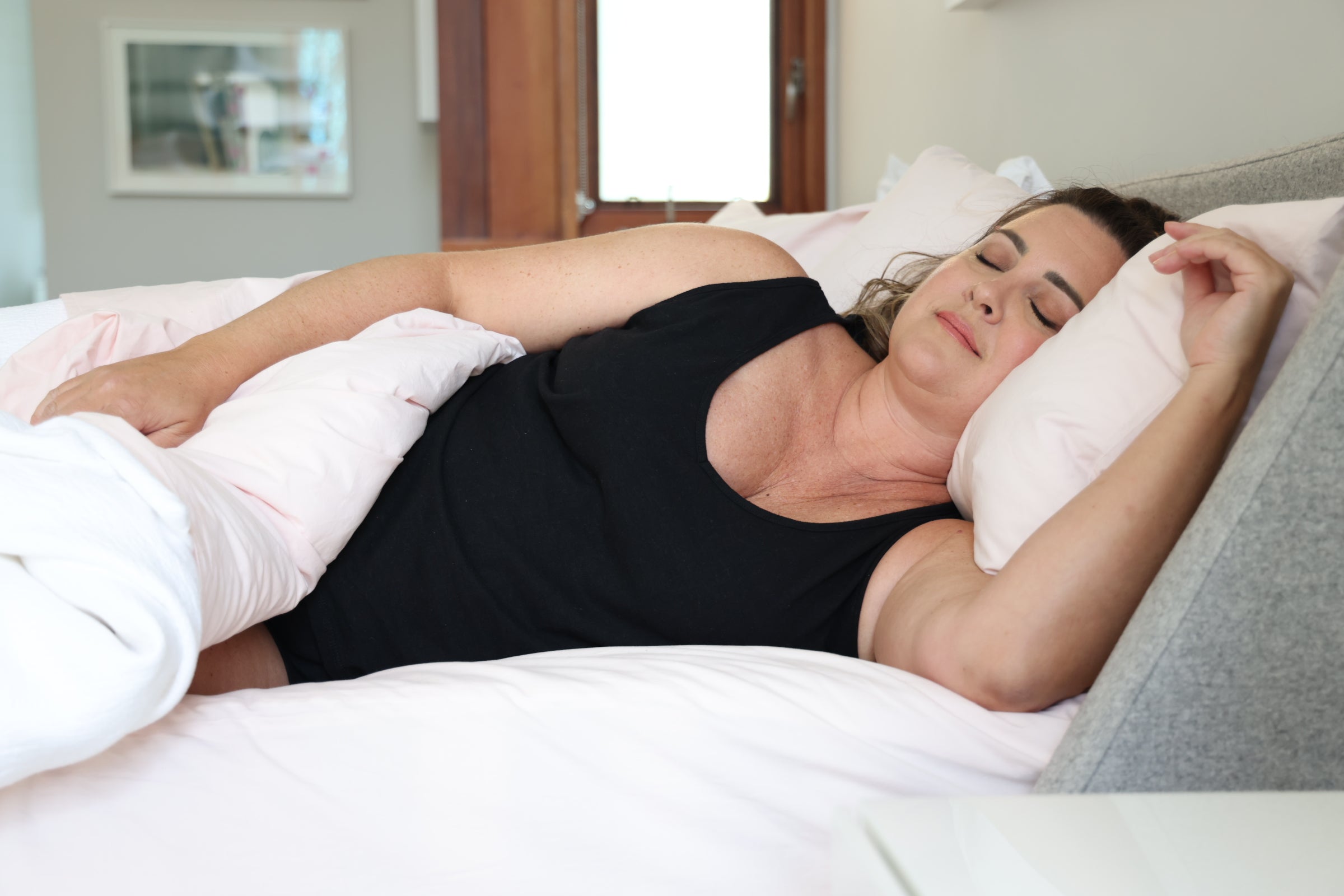
The wrong fabrics for sleepwear and bed linens will keep you soggy, clammy, hot, and cold, and have you waking up exhausted and drained.
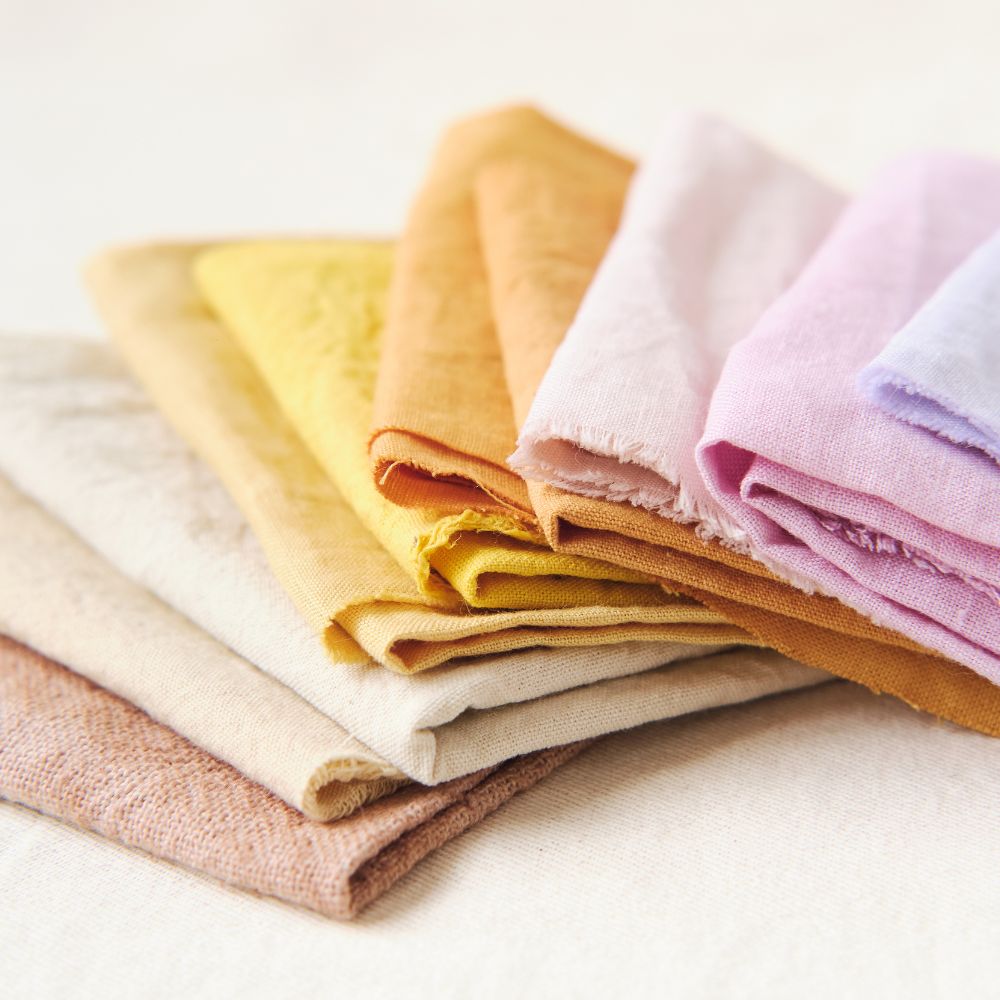
The Right Fabrics will Help You Sleep Better
The right fabrics manage the heat and sweat your body produces by pulling the moisture through each layer from sleepwear to comforter/blankets, while storing some heat in the layers next to you and letting excess heat escape.
So what are the best fabrics for a drier, more comfortable sleep?
Stay Dry at Night with Night Sweats - 5 fabric tips for better sleep

Tip #1: Sleepwear
The fabric closest to your skin is either helping you — or quietly making things worse.
Most women don't realise their pyjamas are the first thing working against them. The guide tells you exactly what to look for — and what to avoid — so you can make one change tonight.
Tip #2: Sheets
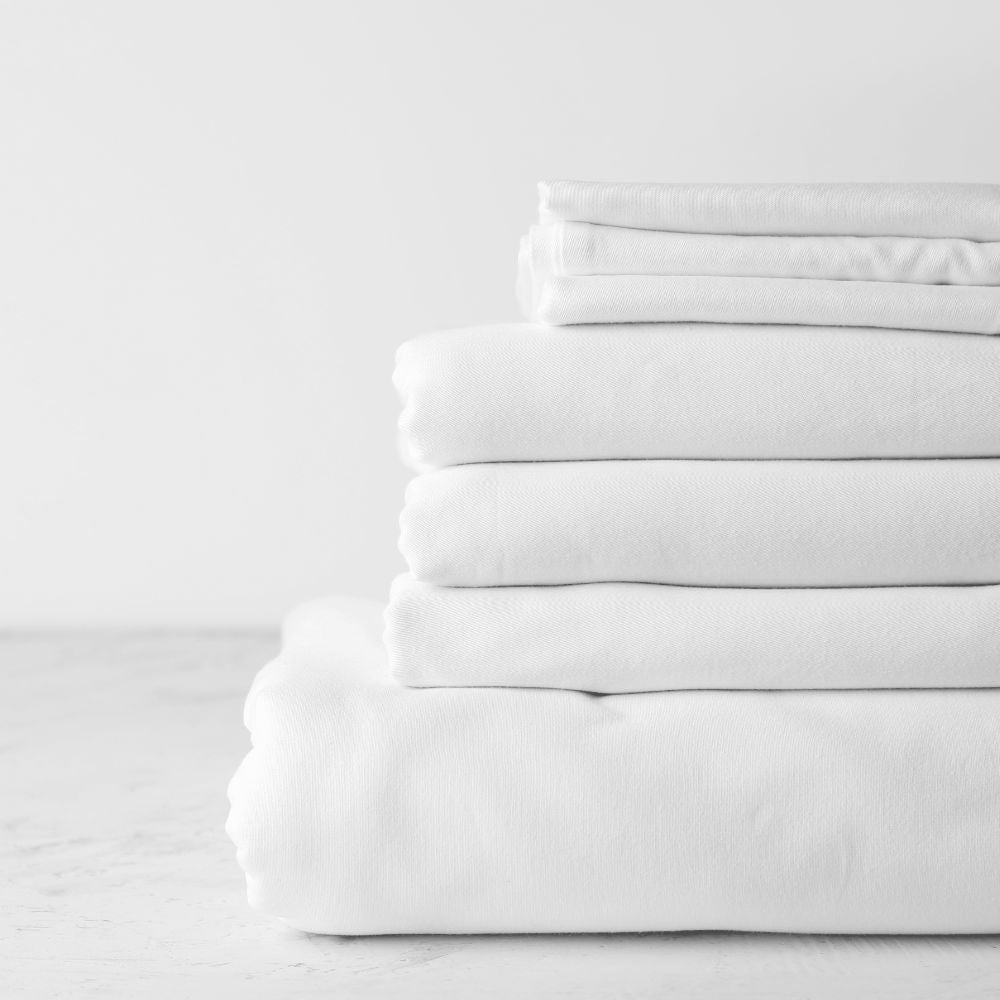
The sheets most people sleep on are also the ones most likely to make night sweats worse.
It turns out the two most popular sheet types are popular for all the wrong reasons — at least if you're someone who wakes up drenched. The guide explains what to look for instead, and you probably have better options than you think already in your linen closet.
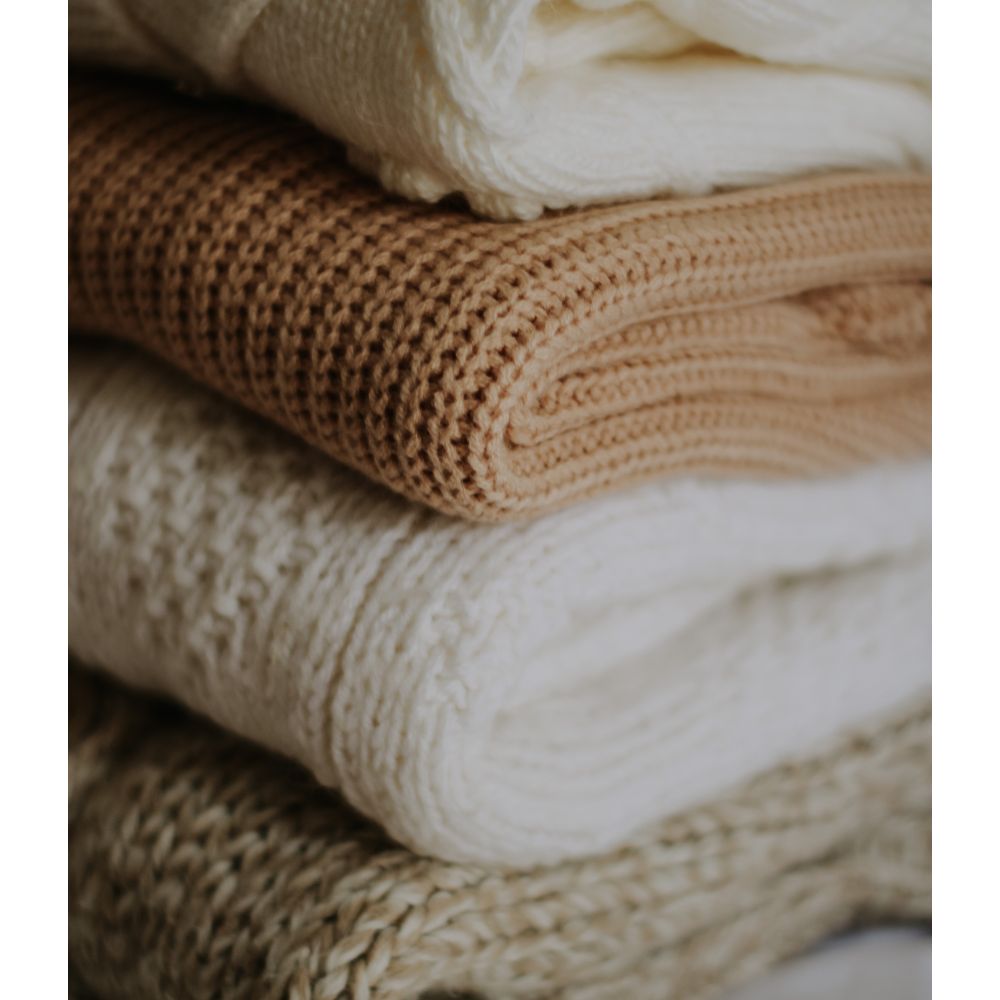
Tip #3: Your Comforter or Duvet
The layer on top of you matters just as much as the layer next to you — and this is where most sleep systems quietly fail.
There's a counterintuitive swap here that most women never consider. Once you understand why, you won't look at your duvet the same way again.
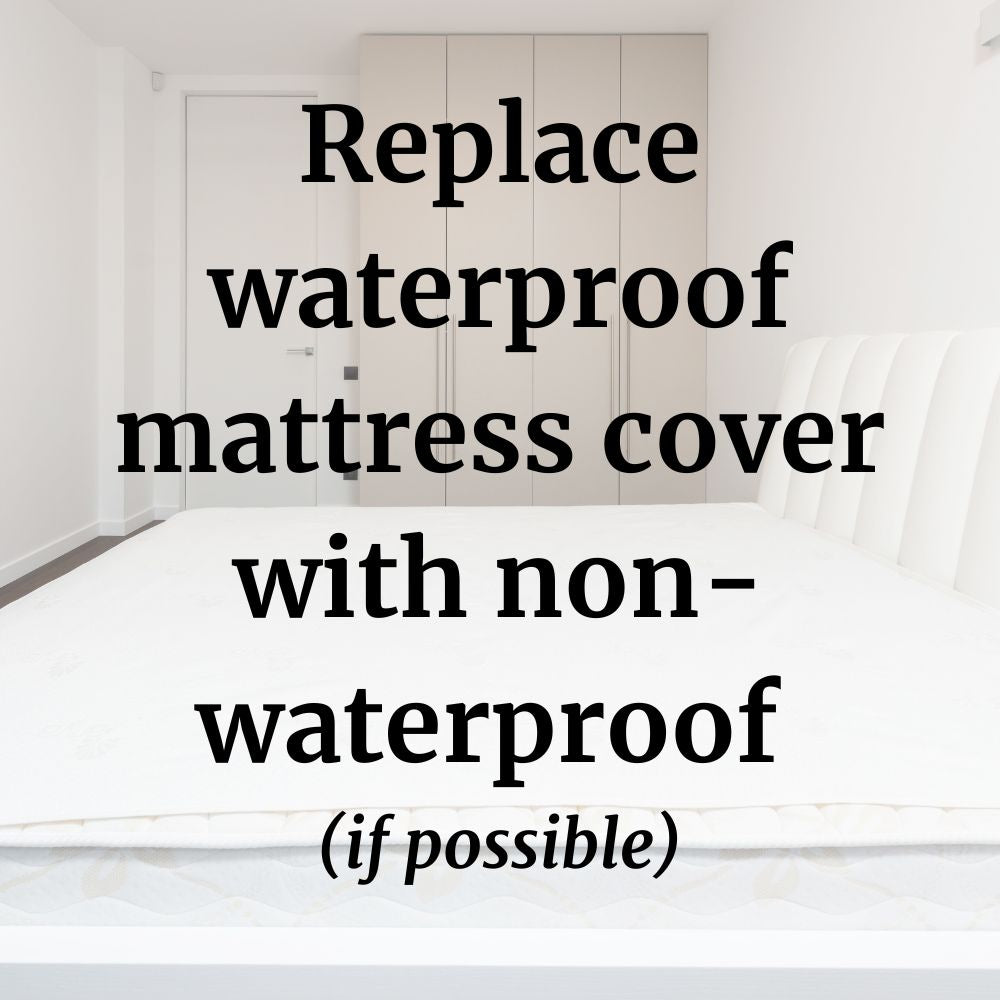
Tip #4: Mattress Cover
If you have a waterproof mattress cover, there's a good chance it's undoing everything else you're doing right.
This is the most overlooked layer in the whole sleep system — and one of the easiest to fix. The guide explains what to replace it with and why it makes such a difference.
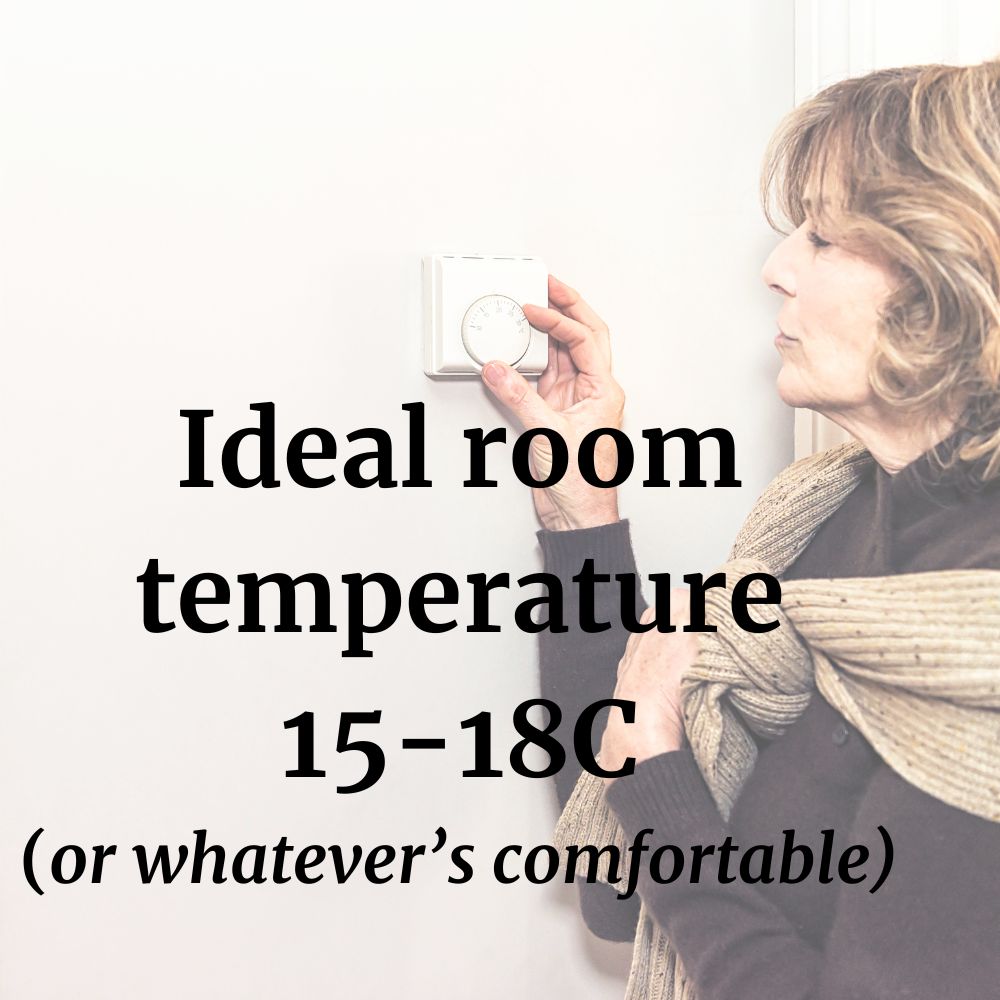
Tip #5: Room Temperature
There's a specific temperature range that consistently helps night sweats sleepers sleep better — and most bedrooms are several degrees off.
It sounds almost too simple. But the number matters more than you'd expect, and knowing it gives you one more tool that you likely already have (hint: it's your thermostat).
